
A balanced article on recording experiences with photos in this day and age, and debunking the idea that influencers are “flocking to Chernobyl”.
We need more friction for that retweet button.
theatlantic.com/technology/arc…
↪ Replying to @beantin
@beantin Haha, I realized this kind of when I was writing it as well, but I wanted to see where it would take me. I’m not sure either. Perhaps I would argue that voting rights mean that the voices are not invisible in that case.
@beantin But that would have to mean equal voting rights where voting is readily accessible to all... not something you for example have to apply for.
@beantin I mean, In Sweden we removed adult rights (and hence voting rights) for many people with disabilities up until 1989. A lot of voices have been, and are, invisible in countries that are democracies on paper.
@beantin Now you really sent me down a rabbit hole reading up on direct democracy, consensus democracy, increases in income inequality, Switzerland, Norway and more... 😬
I also hadn’t realized how the US has been downgraded from a full democracy in 2016 by EIU: eiu.com/public/topical…
They key to digital ethics lies not in finding a set of rules that will guide an ethical mindset (which can mean so many things), but in ensuring that we have ways of always listening to the voices of those who keep being harmed.
#digitalethics #digitalcompassion #designethics
Insistence that guidelines invented by a select few can represent a multitude of invisible voices, is a path to accelerated inequality and oppression.
↪ Replying to @brownorama
@brownorama I sometimes see independent contractors list their clients as if they were employed there. LinkedIn doesn't make it obvious how to list long-term assignments.
@brownorama Sidenote: I've also found that "freelancer" carries different connotations in different cultures/countries. Everything from "Wow, you must be clever and doing really well!" to "Oh I'm sorry you couldn't get a real job." ¯\_(ツ)_/¯
↪ Replying to @DrBevW
@Dr_Bevlash @jacobhaddon @JohnRHornbuckle @summerbrees84 @AOC +1. I took 8 months off with my first kid and 6 months off with my second. The first one was 17 years ago. It’s not a new thing. And it’s not like a birth comes as a surprise; there is time to plan(!) for this. I’m in Sweden, where this is not even a political issue.
I got a pallet of goodies! 😍
#digitalcompassion
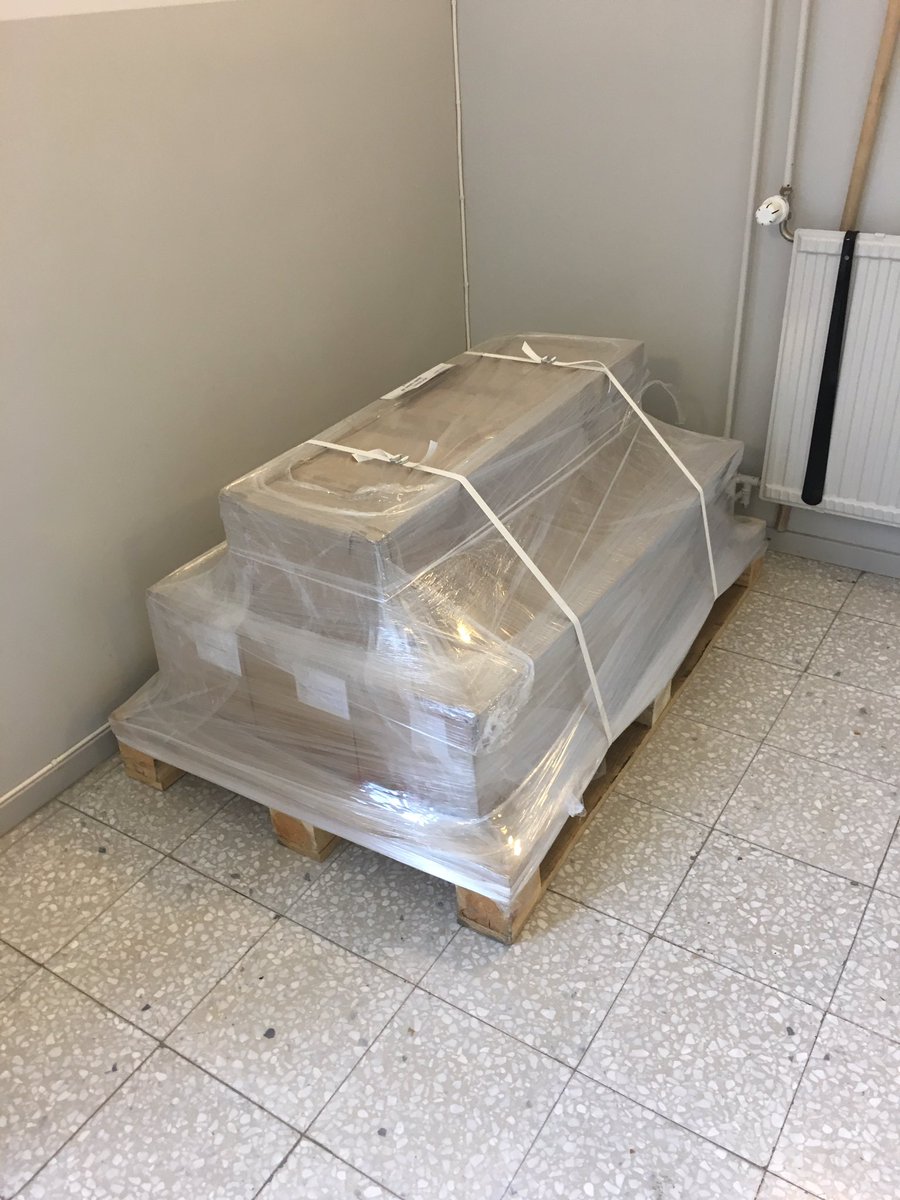
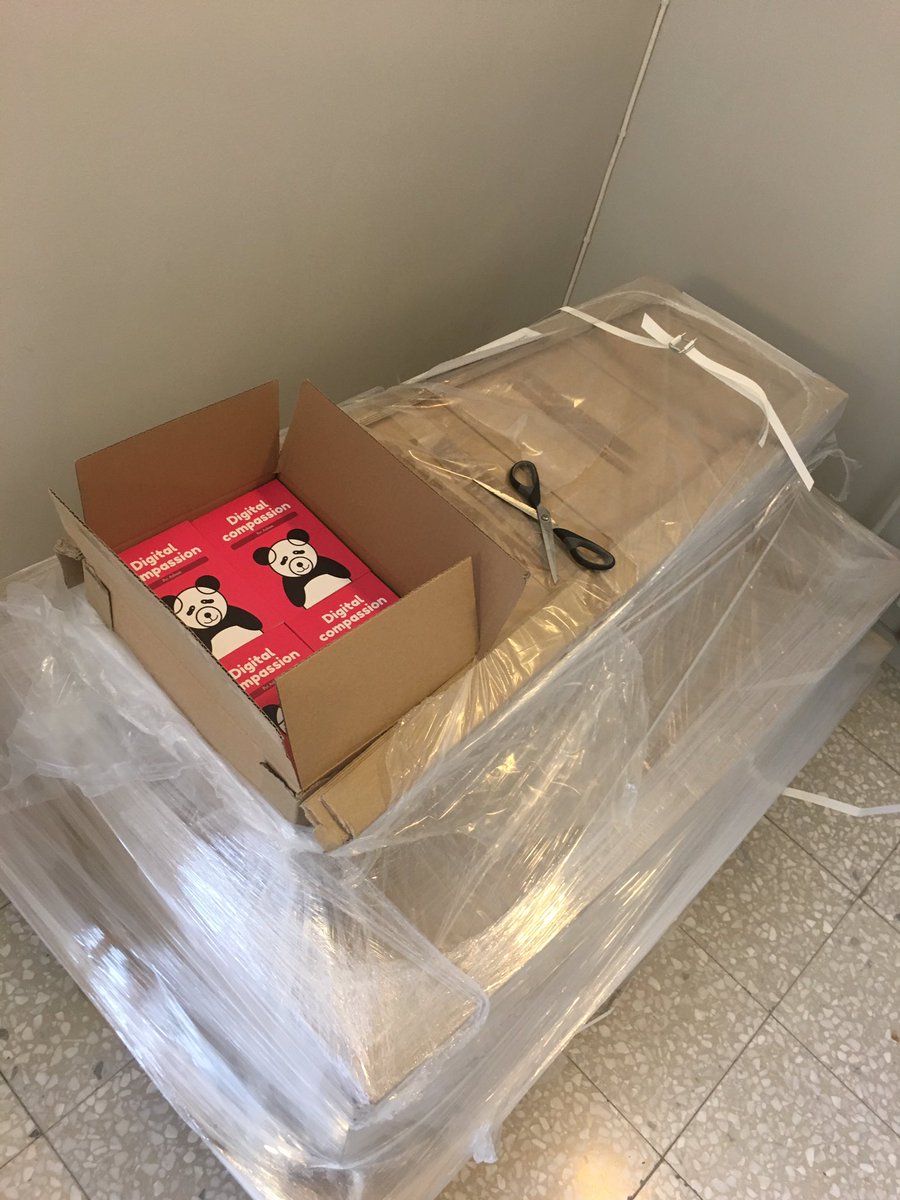
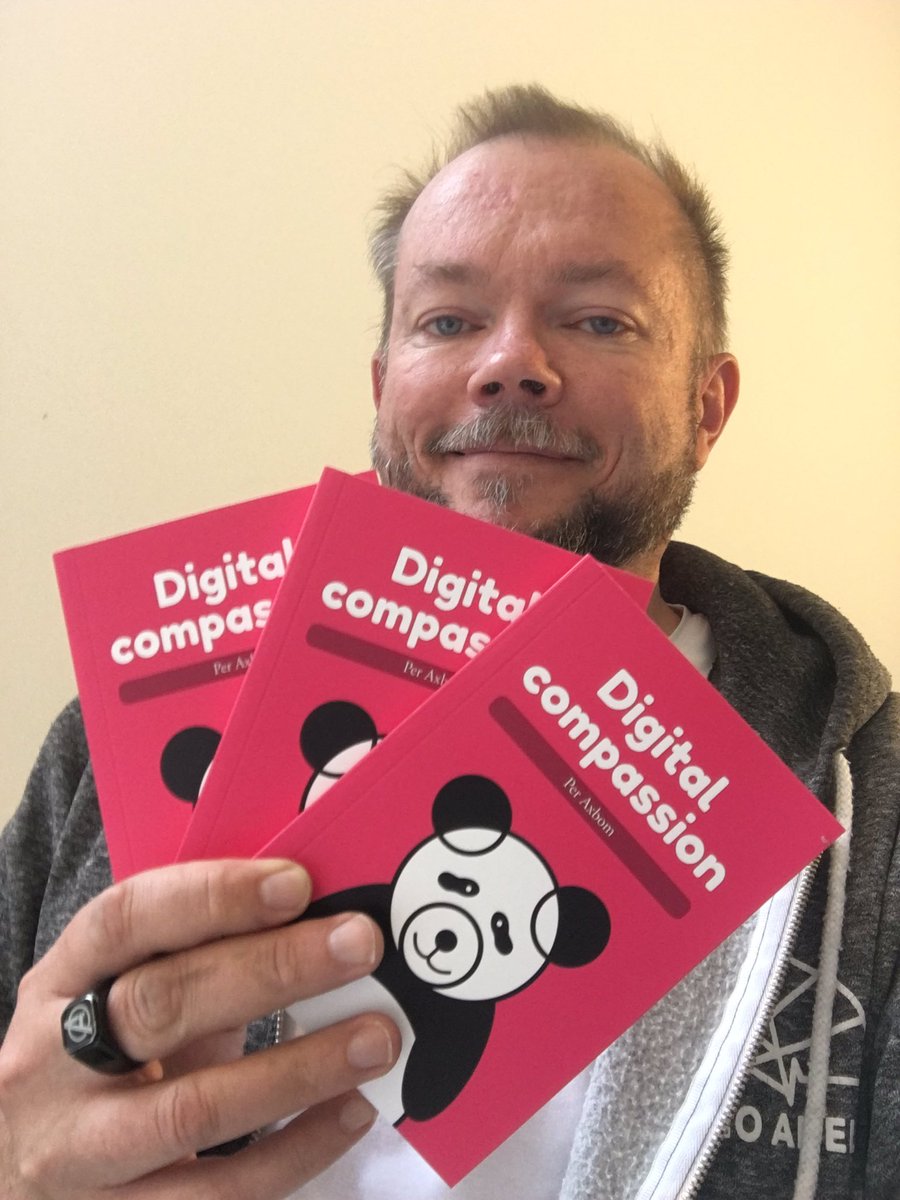
The Kindle version is available now. As soon as I get my bearings on how ordering of the physical book will play out I’ll post the link here. Thank you for your support!
amazon.co.uk/dp/B07SWWD583
(I hope to record an audio version at the end of summer as well.)
Going through my Skype for Business chat history...
"Can you hear me?"
"Sorry I can't hear you."
"Is sound output connected to the screen?"
"Yes, the sound is ok."
"Can you please repeat the questions, the microphone is too far away."
"Can we switch to phone?"
I’ve added 5 new links to my database of #digitalethics bookmarks today and it’s not even 8am yet... x.com/DukeChronicle/…
Currently 716 links...
The library thread is lovely and funny but this kinda blew my mind... a free audio and video recording studio!
Now I want to help develop a library. x.com/danburylibrary…
↪ Replying to @JanetHughes
@JanetHughes Awesome set of slides, thank you for sharing! Policy grenades summed up in one image everything that’s wrong in public sector. Well, a big chunk anyway ;) Can’t wait to see the recorded talk!
”After a while, the software goes from helping you work to making it impossible to get work done.”
Excellent article by @ranimolla
#designethics x.com/ranimolla/stat…
So many good book tips in this thread it may ruin me. x.com/lissijean/stat…