Per Axbom

Getting real about technology…

Stockholm, Sweden

Per Axbom Twitter

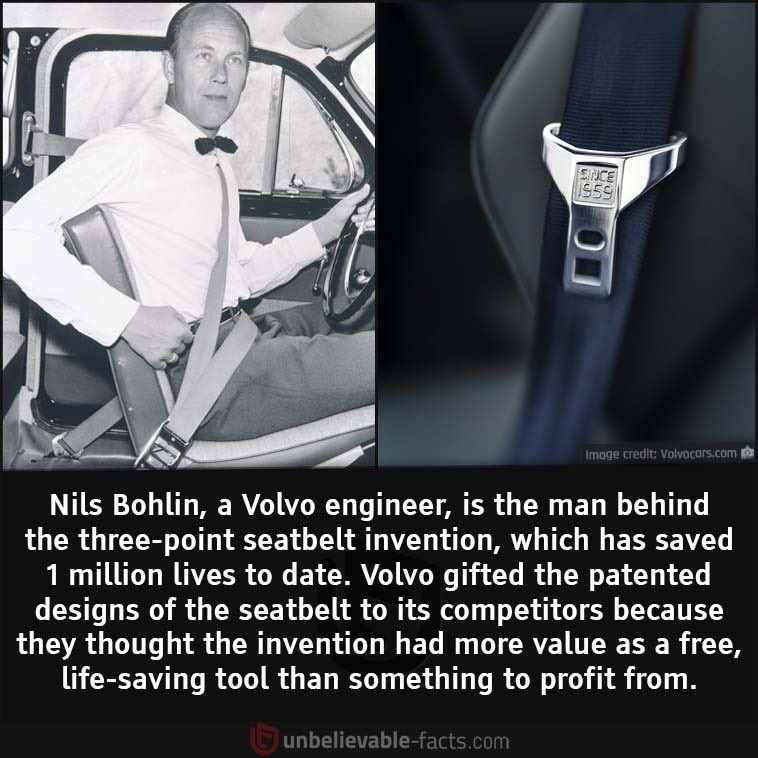
The Swedish engineer Nils Bohlin invented the 3-point seatbelt in 1959. In 2002, the year of Bohlin's death, it was estimated the seatbelt had saved more than one million lives. The design was given away for free to competitors, for the benefit of humanity rather than profit.
In 2012 a Swedish researcher, Anna Carlsson, created the first prototype of a crash test dummy with a female body shape. This after it was found that women had a 47% higher chance of suffering serious injuries in car crashes.

cnet.com/news/world-get…

62 years after the seatbelt was invented, the safety of women in cars is still not a priority, and dummies with a female body shape are not in general use in tests, despite all the available data showing how a higher percentage of women die / are injured.

discovermagazine.com/technology/why…

The same structures, culture and powers of exclusion that so readily risk the safety of women in everyday vehicles are equally present in everyday digital tools and services. In this post I outline the elements of digital ethics that impact wellbeing.

axbom.com/elements/

On this topic you may "enjoy" this clip from the Daily Show showcasing common objections to seatbelt mandates in the 1980s.
🔗 Originally posted on Twitter

Per Axbom reply Twitter

↪ Replying to @erikandrssn

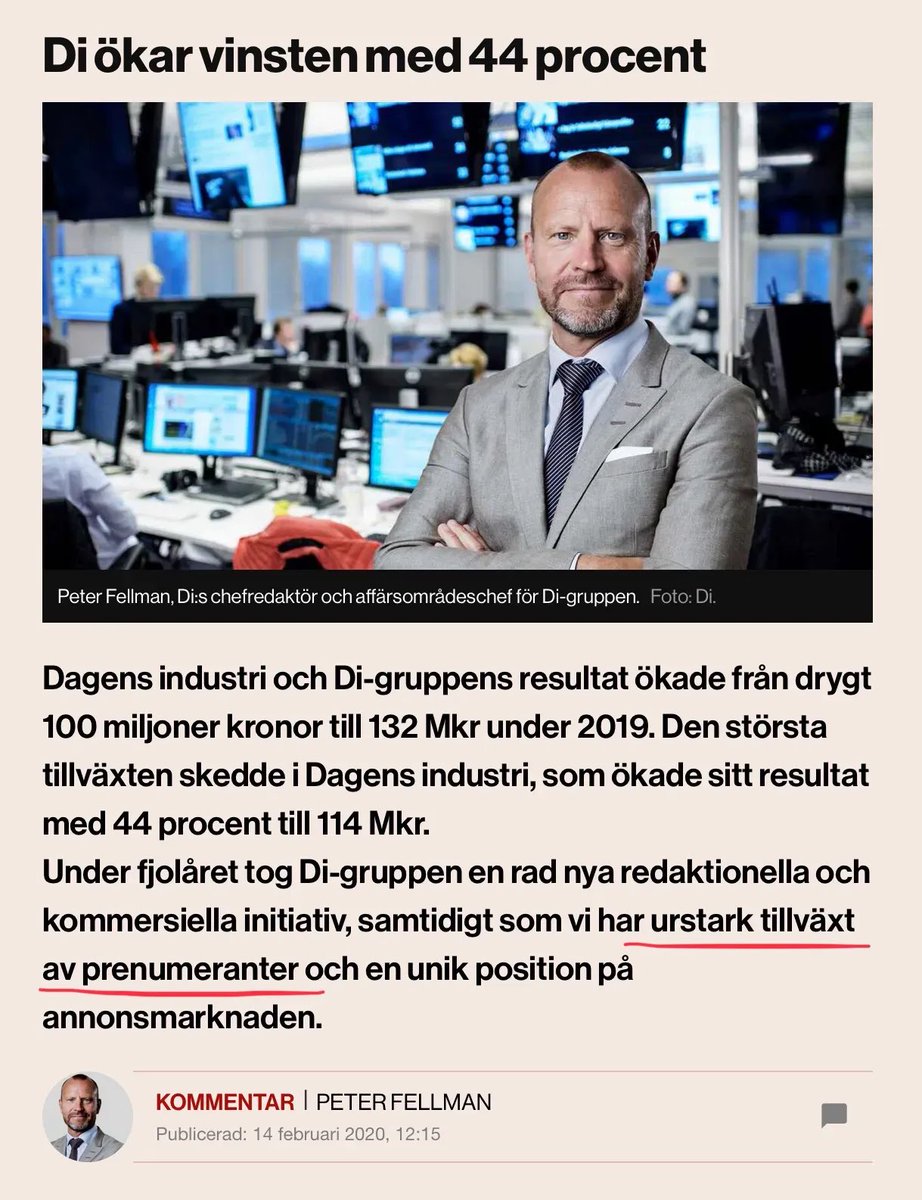
@erikandrssn @Okkido @dagensindustri Bra där! Och tyvärr också ett tydligt bevis på att de som råkar mest illa ut är de som inte har energi och förmåga att vara jobbiga och ligga på. Dagens industri livnär sig på att många inte orkar göra som du just gjorde.

@erikandrssn @Okkido @dagensindustri Låt mig gissa, kundtjänst började med att säga att avtalet inte går att säga upp eftersom “Vi kan inte bryta mot avtalsvillkoren och våra regler, utan alla här följer samma regler.”

🔗 Originally posted on Twitter

Per Axbom reply Twitter

↪ Replying to @beantin

@beantin Yeah I switched focus a bit when I started on number 3, and added Moreover and identified phone number as "personal". Wanted to utilize the thread but perhaps confused too much 😅

@beantin I'm always surprised by how the store Rusta uses phone numbers as member numbers, and every customer says their phone number aloud to the cashier. Stalker paradise.

🔗 Originally posted on Twitter

Per Axbom Twitter

1. I often see the belief that behavior and wellbeing isn’t affected unless personal data is harvested. But people are affected when a huge trove of general data is collected about their behavior and that data is used to place specific content in front of them.

2. A person doesn’t need to know who you are for their software to impact your life in a positive or negative way. Often it’s a tactic for makers to remain oblivious. But also there is a naïveté about anonymity and how hard it is to identify a person based on general data.

3. Moreover: Your phone number is personal but the unique digits also make it a fantastic key to unlock data about you. If you have given your phone number to two different parties, together they know you’re the same person and can share in their respective knowledge about you.

4. When databases leak, companies like to point out that no sensitive data such as credit cards numbers or home addresses were leaked. Start noticing when “phone number” is omitted from that list.

5. From a social engineering and data broker perspective, having access to your phone number opens doors to more information about you. Phone numbers are often not seen as ‘sensitive’, which bad actors are happy to exploit.

6. Just as we talk about the importance of validating sources as a modern skill, the ability to understand, just on a basic level, how behavioral data and information travels, is shared and used across platforms is becoming more and more important. Not least for policymakers.

7. In my Elements of Digital Ethics, this notion where people generally do not take measures to protect their data, are careless with data or even stop seeing it as worthwhile to protect data, is labelled as “Privacy devaluation”.

axbom.com/elements/

8. The concept of computers knowing everything about you, and acting with that information on you, without necessarily knowing WHO you are... I refer to as Psycho-engineering.

axbom.com/elements/

🔗 Originally posted on Twitter

Per Axbom Twitter

Here’s Conor, designer at Basecamp, making an excellent point about the experienced paternalism of that post.

But also do read Conor’s full thread. And note that more employees have publicly expressed disappointment. x.com/conormuirhead/…

Jonas is head of design at Basecamp:

x.com/jonasdowney/st…

An open letter to Jason and David by Jane Yang, who is currently on medical leave from Basecamp.

janeyang.org/2021/04/27/an-…

A thread with all the employees who have announced their resignation from Basecamp, currently more than a third of the workforce: x.com/_breeeeen_/sta…

🔗 Originally posted on Twitter