
People keep telling me how difficult it is to measure wellbeing and yet it's the most common metric being gauged billions of times a day in the most common question of all:
"How are you?"
We ask because it matters.
Posts in English
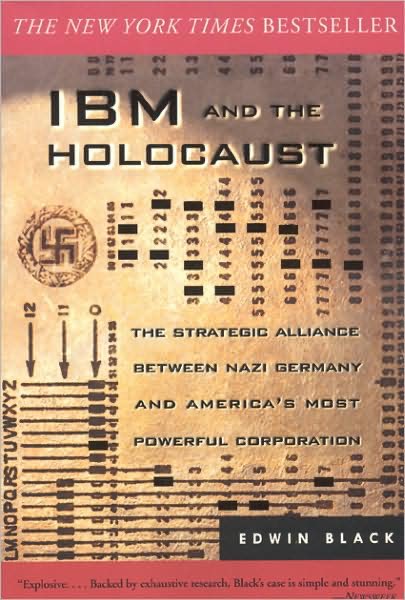
On #HolocaustRemembranceDay I've remembered how IBM used machines to enable genocide.
axbom.blog/digital-compas…
The man on the left in this picture is Adolf Hitler. The man sitting on Hitler’s left side is Thomas J. Watson, leader of IBM during the years 1914 to 1956.
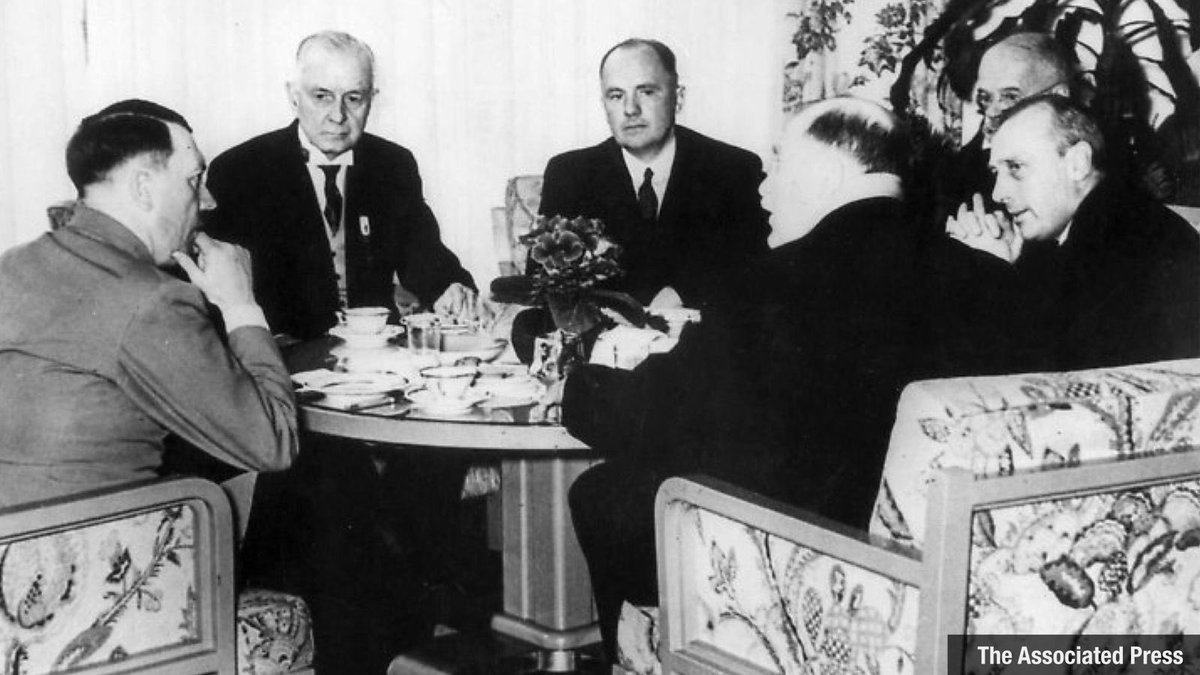
Starting in in 1933, IBM’s exclusive punch card technology was used to categorize and streamline Hitler’s plans. We now know that the punch cards, machines, training and servicing were all controlled from IBM’s headquarters in New York and later through subsidiaries in Germany.

In 2012, documents revealed codes of the concentration camps and numbers used to codify people. Number 3 for Homosexual, 8 for Jew, 9 for Anti-social, and number 12 for ‘gypsies’. ‘Special treatment’ was the euphemism for gas chamber. Other codes specified the destined camp.

IBM’s artificial intelligence platform today bears Watson’s name and their 2019 campaign proudly proclaims that you now can have “Watson anywhere“. In light of how Watson was a key player in profiting from the Holocaust… it’s beyond tone-deaf.
IBM’s defense when approached with all this knowledge builds on the premise “We’re a technology company, not historians” Note that we are living in times when “We are just a technology company” is a valid rationalization for automated human destruction. jewishvirtuallibrary.org/ibm-and-quot-d…
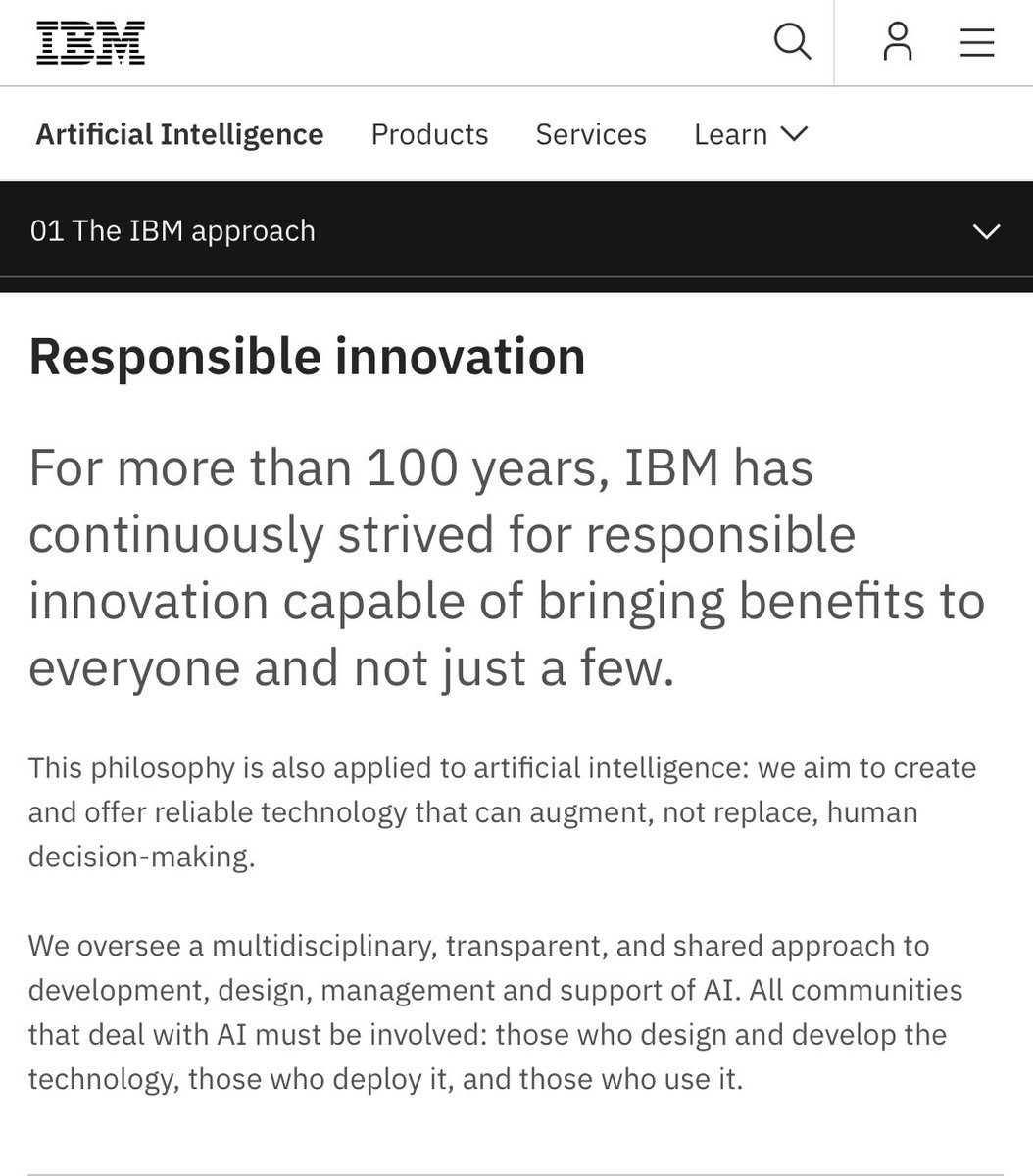
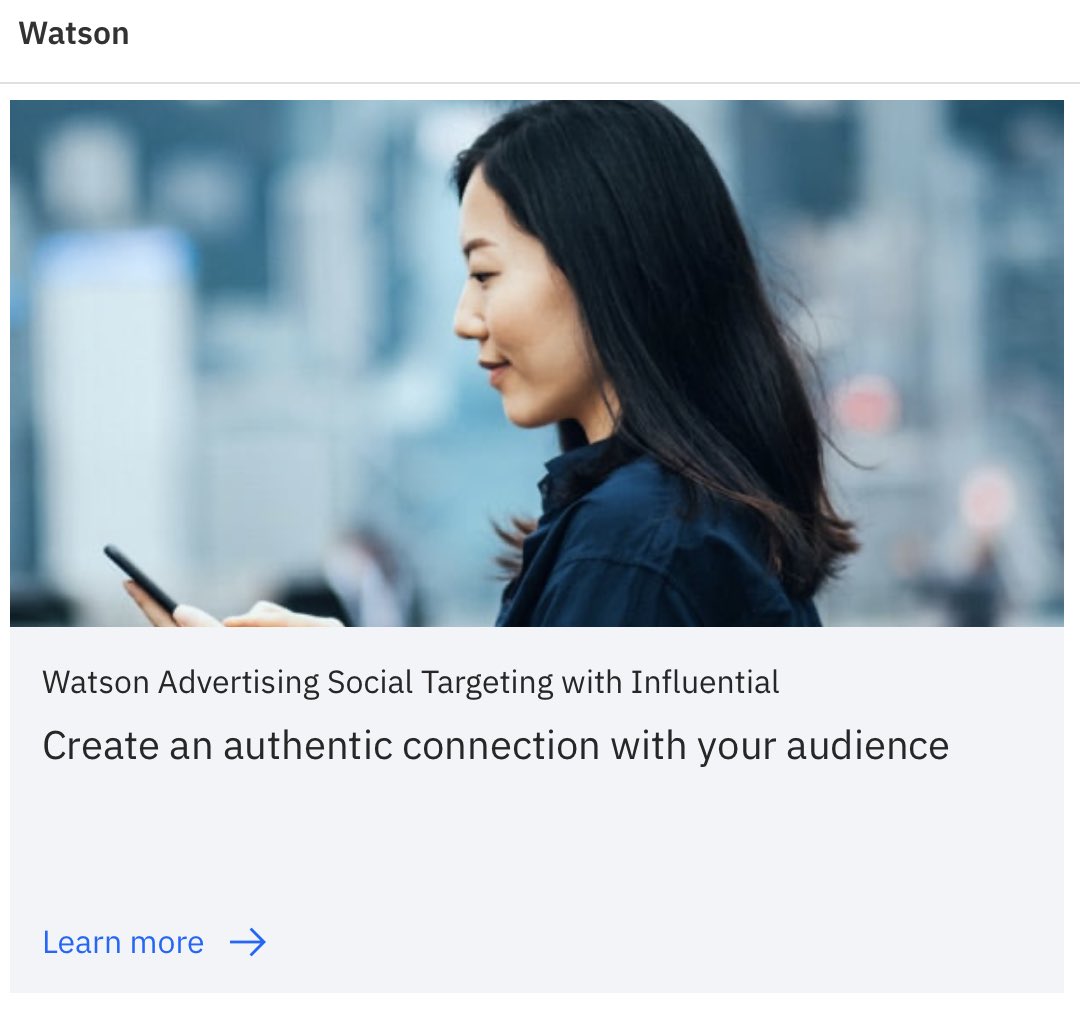

Also wanted to bring attention to some quotes attributed to this successful businessman. When reading some of them, think about who his customer was.
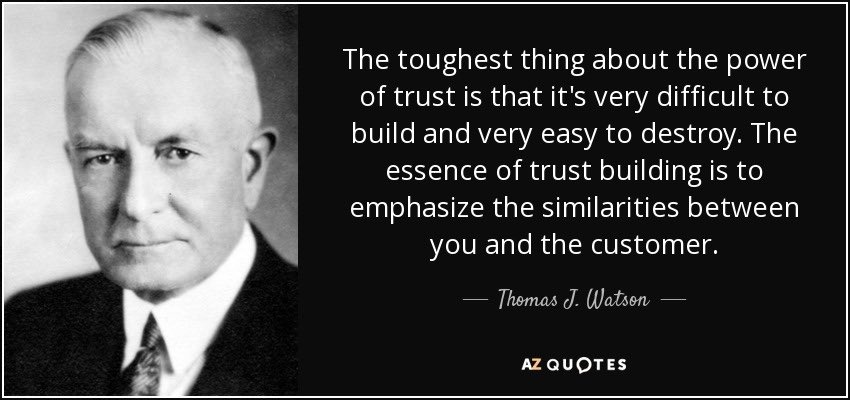
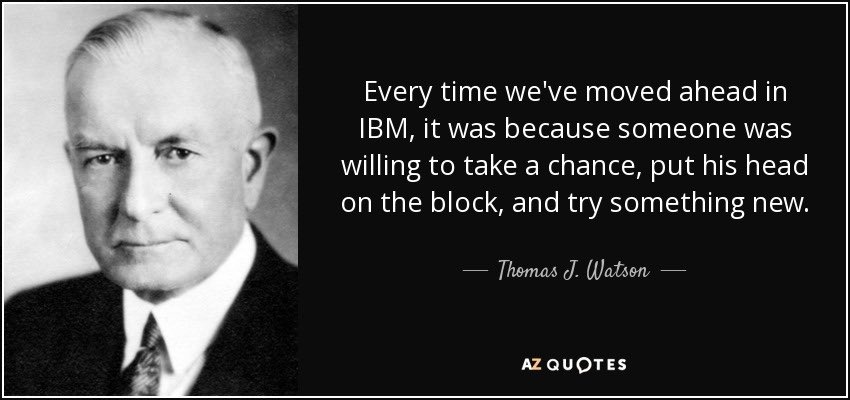
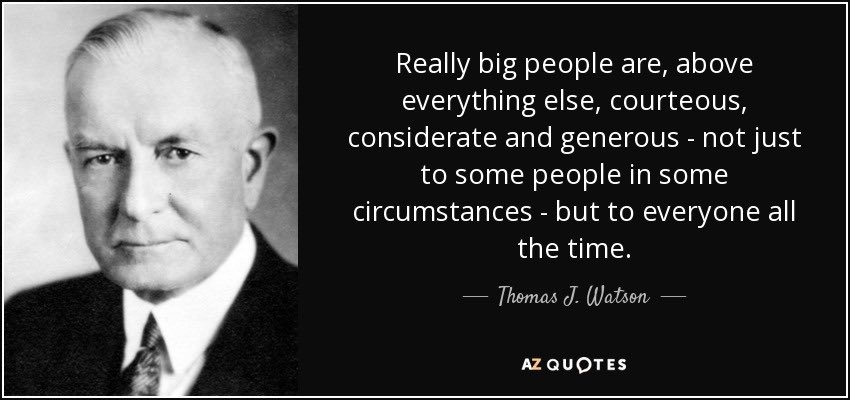
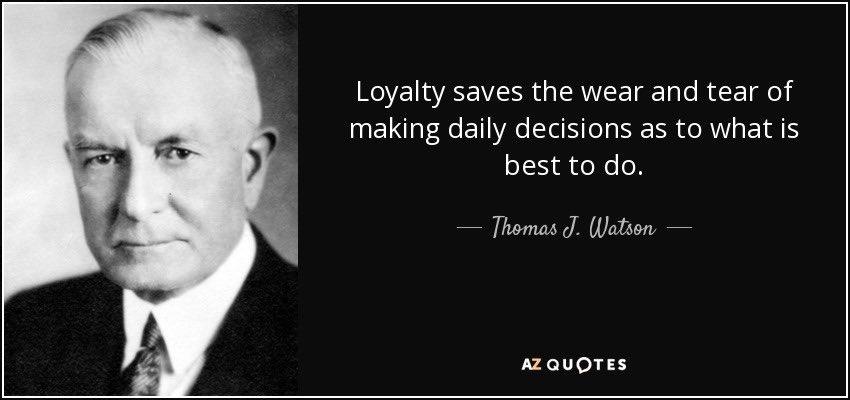
Read more in @EdwinBlackBook’s IBM and the Holocaust
ibmandtheholocaust.com
You can also start in his article from 2012 on Huffington Post:
huffpost.com/entry/ibm-holo…
My blog post has further references.
Heartbreaking and aggravating to read this thread. Anyone needing an example of how Black people need to work twice as hard ("twice" carrying any number of multiples), here's one of many. x.com/ctrlgrlz/statu…
↪ Replying to @tashwillcocks
@tashwillcocks Thank YOU for the feedback 🙏
↪ Replying to @tsvenson
@tsvenson Finding mental capacity to ignore notifications is the next step in our evolution :)
↪ Replying to @Susanneax
@Susanneax Twitter just probably likes you better ;) 😘
This works the same whether you're the leader of a company being reckless with deeply personal data or you're a leader inciting an insurrection. x.com/axbom/status/1…
Twitter often suggests that I turn on notifications. I have now told it to suggest this less often.
But there is no way to completely stop the notifications reminding me of my lack of notifications. I get the feeling Twitter is not happy with my behavior in this relationship.
↪ Replying to @anettenovak
@anettenovak Hm, det enda jag vet är att UNIX-tid utgår från 1/1 1970. Någon har misslyckats med en tidsstämpel i koden.
en.m.wikipedia.org/wiki/Unix_time
I want a wider selection of email signoffs. Help me brainstorm some memorable new ones.
* Sent from my desktop - please excuse the long form language
* As I wrote this email, 168 million emails were sent
* I’ve now written more than I know
* Please rate this e-mail: <link>
😜
The only way to predict the future is to make it. Hence two main paths to avoiding accountability for the future:
1. Showing the receipts for how you resisted.
2. Plausible deniability of creating it:
Ergo:
“I don’t remember a conversation like that.”
Thread👇
“Plausible deniability is the ability of people, typically senior officials in a formal or informal chain of command, to deny knowledge of or responsibility for any damnable actions committed by others in an organizational hierarchy because of…
a lack or absence of evidence that can confirm their participation, even if they were personally involved in or at least willfully ignorant of the actions.”
— en.wikipedia.org/wiki/Plausible…
Creating the conditions for “plausible avoidance of responsibility for one's future actions or knowledge” of course requires foresight.
Ironically: It requires that one creates this future.
And it’s created by having actions carried out covertly on one’s behalf by 3rd parties.
In effect, this *encourages* actions being carried out without the knowledge of leaders, to safeguard them from accountability. Which means mercenary operatives are given incentive to act independently, keeping leadership in the dark.
This gives us reason to truly question who we are allowing to create the future and what their end-goal is, when even the leadership – for their own protection – strives to know as little as possible.
#ManagementByDeniability
After splitting all my web properties into different domains over the past two years I am this year planning a renewed consolidation. I'm doing large-scale corporate web strategy for a single-person company 😅
↪ Replying to @EverydayExpPod
@EverydayExpPod @geoffwilsonHCD Everything is marketing and SEO these days. But I do totally agree with you. I've had a friend write a guest post once, because he wanted to reach out with a message on usability (on topic) but had no platform of his own. But 99% is link spam I suppose.
↪ Replying to @unknown
@chrisnoessel Nice, I do like the idea of actually putting a price tag on it too. I should go the Rolling Stone route 😅
theguardian.com/media/2021/jan…

↪ Replying to @MarkoSaric
@MarkoSaric Yes, it was the fourth(!) such reminder e-mail that triggered my tweet. Sent it all to spam now.
↪ Replying to @unknown
@TrialByTruth Thanks, this is also how I do it now and it’s often tiresome.
For LinkedIn I’ve actually removed the ability to connect with me without knowing my e-mail, and then I’ve created a custom e-mail address for LinkedIn that nobody knows. 😅
↪ Replying to @ErikBernskiold
@ErikBernskiold Thank you, that actually makes me feel better.