Is there a pool going on when the birdsite will go belly-up? Can not be more than 6 months left now… 😬
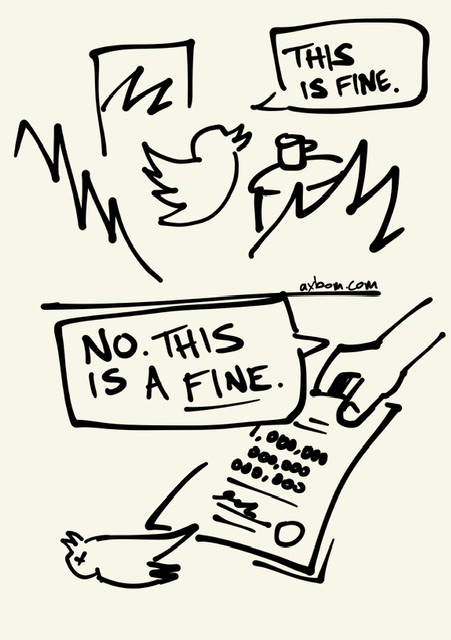

Is there a pool going on when the birdsite will go belly-up? Can not be more than 6 months left now… 😬
När en designer ska färgkoda typiska motsatsförhållanden som rätt/fel, lågt/högt eller gå/stopp så är det absolut vanligast att man väljer grön och röd. Men…
Den absolut vanligaste formen av färgblindhet innebär att man inte ser skillnad på grön och röd. En betydligt bättre kontrasterande färgkombination skulle till exempel vara blå/röd.
Trots gedigen research, metoder för 'empatiskapande' (design thinking med mera) och det faktum att färgblindhet är ett vida känt fenomen(!) så väljer designers år efter år efter år ändå kombinationen grön/röd.
Varför tror du det blir så?
I artikeln kan du se exempel på hur färgblinda personer blir exkluderade på många sätt i vardagen. Har du till exempel sett parkeringsgarage där det lyser en grön lampa för ledig plats och en röd lampa för upptagen plats? Så att man snabbare ska hitta en ledig plats... ja just det ja.
Vilken oväntad tjänst som visade sig ha en bra lösning från start? Ordspelet Wordle.
https://www.theverge.com/23650428/colorblindness-design-ui-accessibility-wordle
Feeling the promise of efficiency.
One of my most popular blog posts is this one about the variations of the flat world map, and the misconceptions many of us have because of it.
I noticed it’s making the rounds on the birdsite again so I thought I’d introduce it here as well 😊
Most maps grossly misrepresent the size of countries and contribute to confusion. Let's revise our tools to help us get better results.
https://axbom.com/world-map/
@LeoR1010
Känns också som om vi står inför en explosion av påhittade nyheter och "fakta" som skadar människor på riktigt. Som den här:
https://www.washingtonpost.com/technology/2023/04/05/chatgpt-lies/
Det tråkiga är hur människor verkligen väljer att inte bry sig om alla uppenbara problem utan snubblar över sig själva för att hinna fram till "något" för att de personligen kanske kan vinna på det.
Säger som Nalle Puh: “Om man inte vet vart man ska är det ingen idé att skynda sig. Man vet ändå inte när man kommer fram.”
@iamdavidobrien
Thank you, yes. A copy paste error - didn’t proofread. Will fix now. :)
@timnitGebru
Only a few pages into this paper that I just learned about via @timnitGebru, but am hugely intrigued by the findings and what this must eventually mean for regulation and policy around LLMs.
Essentially these models will remain insecure as they increase in size and lead to all sorts of serious problems. On the one hand they will inevitably contain significant amounts of privacy-sensitive information. On the other hand they will continue to be vulnerable to poisoning attacks. There is not enough trustworthy content in the world and to remain safe they must be reduced in size - and yes, performance must drop.
These paragraphs provide a small glimpse of the dilemma(s) outlined in the paper:
« Foundation models achieve their best performances by leveraging ever larger amounts of data, without major diminishing returns so far. Unfortunately, verified texts seem insufficient to reach state-of-the-art performance. Indeed, the English Wikipedia only contains around 4 billion words. Meanwhile, a book has around 10^5 words. While there are 10^8 books, only a fraction of them are arguably trustworthy. Many books are instead full of biases and dangerous misinformation, such as ethnic-based hate speech, historical propaganda, or outdated (possibly harmful) medical advice. As a striking illustration, up to the 1980s, the American Psychiatric Association listed homosexuality as a mental illness in its flagship manual. In fact, most books should be regarded as unverified user-generated data.
Most importantly, even if they are not problematic, the combination of these books represents a small amount of data, compared to what Internet users produce on a daily basis. Indeed, assuming that a user writes 300 words per day on an electronic device (the equivalent of one page), a billion of such users produce 10^(to the power of)15 words per decade. This adds up to a hundred times more data than the set of books, and a million times more than the English Wikipedia. This makes it very tempting to either scrape the web, exploit private messaging (e.g., emails, shared documents), or leverage other written texts (e.g., phones’ smart keyboards). In fact, Wikipedia represented only 4% of Google’s PaLM foundation model training dataset [33], while books represented 13% of it. Meanwhile, 27% of the dataset was made of webpages, and 50% were social media conversations. Crucially, these data are generated by a myriad of users, who may be malicious and/or unaware that their activities are being leveraged to train foundation models. This raises serious security and privacy risks, even when we (wrongly) restrict our attention to publicly released models (most of the actual foundation model training is likely performed secretly by private groups). »
https://dair-community.social/@timnitGebru/110147589284016869
#AIHype #AIEthics #DigitalEthics
@Beantin
But think of all the experience you gained. 😁
@plausible
Tillämpad etik som fenomen växte ur debatten runt snabba medicinska och tekniska framsteg under 70-talet. Idag, med den kraftiga tillväxten av all teknik som går under samlingsnamnet AI, blir också behovet av att utse en etikansvarig för digitala frågor allt tydligare.
Det är många som blir ivriga och vilseledda under en pågående hajp. Och det innebär i sin tur att lösningar kan leda till negativ påverkan med olika typer av påföljder som blir kostsamma för såväl organisation som människor.
Det lönar sig att göra rätt från början, även när det gäller välbefinnande.
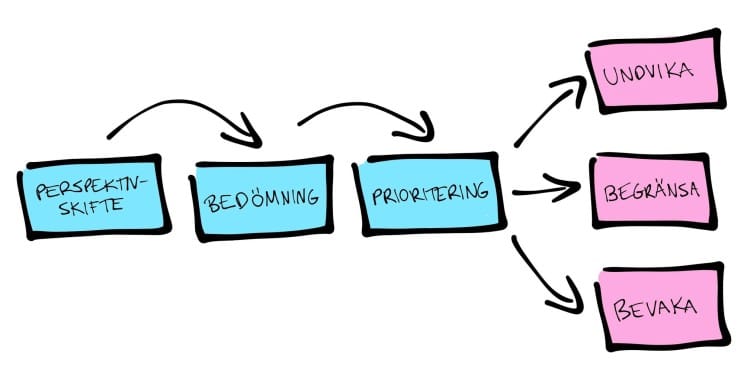
När jag går in som etik-utbildare eller rådgivare i en organisation gör jag det ofta för att hjälpa ett team eller en ledning på ett tydligare sätt se riskerna och hur man kan agera för att minimera dessa risker. Men också för att upptäcka nya möjligheter.
Jag ser gärna att organisationen har en utpekad etikansvarig som vidhåller kunskaper och förmågor.
En av de förmågor jag hjälper till med är att utveckla nya, och annorlunda, perspektiv. Det man inte själv kan se ignorerar man annars gärna till dess att problemen uppenbarar sig.
Det kan börja med en workshop, en föreläsning eller en serie coaching-sessioner. Så går man vidare därifrån när man känner sig tryggare i ämnet. En framgångsrik satsning utgår från era förutsättningar och behov.
“Om man tänker efter en stund kan det hända att man kommer fram till ett mycket viktigt beslut.” – Nalle Puh
🔗 Varför det öppna brevet som vill pausa AI-utveckling är problematiskt
Tillämpad etik är inte en checklista. Det handlar om att lägga tid och kraft på att förstå riskerna för välbefinnande – med en uttalad ansats att undvika, minska och övervaka skada. Det låter då rimligt att anta att ett upprop för att pausa...
🔗 AI-ansvar i en hajpad värld
Det är aldrig så lätt att bli lurad som under en pågående hajp. Det är mars 2023 och vi är mitt i den. Det är sällan jag sett så många anamma en helt ny experimentell lösning med så lite ifrågasättande. Just i detta nu är det oerhört viktigt att skaka
🔗 Ny podd: Omtanke med Per Axbom
Jag startade min första podd våren 2007, strax innan första iPhone-luren släpptes på marknaden. På den tiden var det mer uppenbart varför det heter podcast, eftersom vi hängivna producenter och konsumenter förstås lyssnade via Apples banbrytande...
🔗 AI and Human Rights
Content for Raoul Wallenberg Talk on AI and Human Rights. Full transcript, slidedeck and references.
Jag har så otroligt mycket länkar och innehåll runt digitel etik och ansvarsfull innovation att dela med mig av. Det här nyhetsbrevet ger dig nya insikter i lagom doser och ofta länkar till fördjupningar som kan vara min egna eller andras texter, poddar eller föreläsningar.
#digitaletik #innovation
@tysonsw Thanks. The logistics of my day didn't allow me to follow up on this 😅
Den 26 september 1983 fattade Stanislav Petrov det korrekta beslutet att inte lita på en dator.
Det tidiga varningssystemet vid ledningscentralen Serpukhov-15, som högljutt larmade om en kärnvapenattack från USA, var naturligtvis modernt och av senaste tekniken. Stanislav Petrov var ansvarig på plats och arbetade sitt andra skift som inhoppare för en kollega som var sjuk.
Många officerare ställda inför samma situation skulle ha ringt sina överordnade för att uppmärksamma dem på behovet av en motattack. Särskilt då andra officerare skrek åt honom att han skulle retaliera snabbt innan det var för sent. Men Petrov gav inte vika.
Jag tar med mig dessa tre lärdomar från händelsen:
@tysonsw
Don't have Word unfortunately. But it makes me want to create some example paragraphs to compare how they deal with the types of metaphors that most struggle with.
@ChrisJKelly
Haha, true!
The interesting/worrying thing is at what point someone else decides that translators are not needed. I'm worried all the current hype is pushing these thoughts. And that will of course likely have its own backlash.
@ChrisJKelly
For that second phrase "This truly feels like a red herring." I got
"Detta känns verkligen som en röd tråd."
😂
So essentially "This feels like common thread" or "common theme".
Which in some ways is worse because it may at first glance feel right but is also not at all what I meant.
(And yes I included my full paragraph to provide context for the tool).
I wrote my communication science dissertation on translation. I'm far from trusting a computer with it based on my experiences. 😅 What worries me is when it provides plausible answers with assertiveness. Many people will miss those mistakes. I'd rather it admit weaknesses.
I write a lot of bilingual content and often use Google Translate to help me out. I'm blown away by how seriously bad it still is after all these years.
Rarely can I use a sentence directly from a Google translation.
Just now when translating from English a paragraph starting with "Bad actors with nefarious intent..." it opted for the Swedish word for stage/film actor.
It's great for laughs though.
For you Swedish speakers:
"Dåliga skådespelare med ondskefulla avsikter ges enorma befogenheter att orsaka förödelse med skadlig programvara och bedrägeri, men också att uppfinna kemiska vapen."
Another favorite added to my records:
"This truly feels like a red herring." became "Det här känns verkligen som en röd sill."
i.e. a literal translation. It's funny because of how Swedes do love pickled herring.
But it's extra funny because of the context of that sentence. I am talking about that open letter on the AI pause and why they chose 6 months as their baseline. So the red herring relates to my take that we are pretty far from sentience and 6 months is a red herring.
(For Swedes unfamiliar with the phrase, a better translation would be "villospår")
@smirandafield Good point. And if they want they can block the bot.
@smirandafield
I recently wrote a reply to one of George Takei's posts and noted that many would likely appreciate alt-texts (he has 40+ images on here and has added alt-text 4 times – I checked). He also has a 7+ team working on social media for him. But you wouldn't believe the type of pushback I got. 😬 On the other hand... yeah, you probably would.
https://axbom.me/notice/AUD1CDppcGBbiM8kvQ
@emilymbender I also did a double-take on the use of the phrase ”self proclaimed”. That newsletter was clearly written to discredit and try to save face. It’s quite obnoxious how some of these people got into bed with a movement that denies the severity of the climate crisis (and worse) and are adamant in arguing why finding ”common ground” with them is the best choice.